
Bird Box Barcelona: A Parents’ Guide ― Comprehensive Overview (Updated 02/12/2026)
This guide‚ updated today‚ 02/12/2026‚ offers parents a detailed look at “Bird Box Barcelona‚”
considering its content and potential impact on viewers‚ especially concerning India’s birdlife awareness initiatives․
“Bird Box Barcelona”‚ released as a continuation of the 2018 film‚ presents a fresh‚ yet equally harrowing‚ perspective on the apocalyptic scenario․ This Spanish-language adaptation shifts the setting to Barcelona‚ offering a unique cultural context to the story of unseen entities driving people to madness and suicide․ As of today‚ February 12th‚ 2026‚ parents are seeking guidance regarding the film’s suitability for their children․

Understanding the potential impact is crucial‚ especially given the film’s intense themes and imagery․ Beyond the immediate narrative‚ awareness of birdlife‚ as highlighted by initiatives like the State of India’s Birds 2023 report and the Pongal Bird Count‚ subtly underscores the fragility of existence․ This guide aims to provide a comprehensive overview‚ assisting parents in making informed decisions about viewing․
II․ Understanding the Film’s Premise
“Bird Box Barcelona” revolves around a protagonist navigating a post-apocalyptic Barcelona where mysterious entities cause immediate death upon sight․ Survival hinges on complete sensory deprivation – blindfolds are essential․ The film explores themes of societal collapse‚ parental instinct‚ and the lengths people will go to protect their loved ones․ Unlike the original‚ this installment delves deeper into the psychological impact of isolation and the desperation it breeds․
Citizen science initiatives‚ like the Hyderabad Bird Atlas‚ demonstrate collective observation‚ mirroring the film’s reliance on avoiding ‘sight’․ The premise‚ while fictional‚ subtly connects to real-world conservation efforts‚ highlighting the importance of awareness․ Understanding this core concept is vital for parents assessing the film’s potential impact on their children․
III․ Age Appropriateness & Maturity Levels
Determining age appropriateness for “Bird Box Barcelona” is crucial․ Due to intense suspense and disturbing themes‚ it’s generally not recommended for children under 16․ Even for older teens‚ parental guidance is strongly advised․ Maturity levels vary significantly; a 16-year-old comfortable with psychological thrillers may handle it better than a more sensitive 18-year-old․
Consider a child’s prior exposure to similar content and their ability to differentiate fiction from reality․ The film’s connection to real-world anxieties‚ like societal breakdown‚ might be unsettling․ Awareness of birdlife‚ fostered by initiatives like the Pongal Bird Count‚ offers a contrasting‚ positive focus‚ but doesn’t mitigate the film’s core intensity․
A․ Recommended Viewing Age
A recommended viewing age for “Bird Box Barcelona” is 17 and above‚ with strong parental discretion advised․ This isn’t a hard rule‚ but reflects the film’s mature themes and intense sequences․ Younger teens‚ even with parental permission‚ may struggle with the psychological impact․ The film’s depiction of societal collapse and pervasive fear isn’t suitable for younger audiences․
Consider that initiatives like the Hyderabad Bird Atlas and eBird India promote positive engagement with nature‚ a stark contrast to the film’s dystopian setting․ However‚ this doesn’t lessen the film’s potential to induce anxiety․ Prioritize a child’s emotional maturity over their chronological age when making a decision․
B․ Maturity Considerations for Younger Viewers
Even with parental guidance‚ younger viewers (15-16) require careful consideration․ Their understanding of complex themes – trust‚ paranoia‚ societal breakdown – may be limited‚ potentially leading to misinterpretations or heightened anxiety․ The film’s suspenseful nature and disturbing imagery could be particularly unsettling․
Exposure to citizen science initiatives like the Pongal Bird Count‚ fostering appreciation for birdlife‚ offers a positive counterbalance․ However‚ it doesn’t negate the film’s intensity․ Assess a teen’s prior exposure to similar content and their coping mechanisms for fear and stress before allowing them to watch․ Open communication is crucial․
IV․ Content Concerns for Parents
“Bird Box Barcelona” presents several content concerns for parents․ Intense scenes of panic and desperation are prevalent‚ alongside psychological thriller elements creating sustained suspense․ Disturbing imagery and thematic explorations of societal collapse and character deaths are central to the narrative․
While seemingly distant‚ awareness of India’s bird monitoring programs (like eBird India and the Hyderabad Bird Atlas) highlights the fragility of ecosystems‚ subtly mirroring the film’s themes of vulnerability․ Parents should be prepared to discuss these challenging aspects with their children‚ fostering critical thinking and emotional processing․
A․ Intense Scenes & Violence
“Bird Box Barcelona” features several intensely stressful scenes and instances of violence that parents should be aware of․ The film depicts moments of extreme panic as characters navigate a world where looking outside means certain death․ While not gratuitous‚ violence is present‚ including depictions of character deaths and the aftermath of societal breakdown․
These scenes‚ though fictional‚ could be disturbing for younger or more sensitive viewers․ Considering India’s citizen science initiatives focused on bird monitoring‚ the film’s depiction of a disrupted world offers a contrasting perspective on environmental fragility and survival․
B․ Psychological Thriller Elements & Suspense
“Bird Box Barcelona” heavily relies on psychological thriller elements‚ building suspense through constant uncertainty and fear․ The narrative explores themes of paranoia and distrust‚ as characters struggle to determine who can be relied upon in a desperate situation․ This creates a consistently tense atmosphere that may be unsettling for some children․
The film’s suspenseful nature‚ while engaging for adults‚ could induce anxiety in younger viewers․ Reflecting on broader awareness‚ like the Pongal Bird Count‚ the film contrasts a controlled observation with a chaotic‚ fear-driven existence‚ prompting reflection on safety and perception․
C․ Disturbing Imagery & Themes
“Bird Box Barcelona” presents several disturbing images and explores challenging themes that parents should be aware of․ The film depicts societal breakdown and the desperation of individuals facing an existential threat‚ potentially causing distress․ While not directly related‚ considering citizen science initiatives like the Hyderabad Bird Atlas highlights a focus on preservation versus destruction․
The narrative touches upon themes of loss‚ grief‚ and the darker aspects of human behavior under extreme pressure․ These elements‚ combined with potentially frightening visuals‚ may be too intense for sensitive children․ The film’s intensity differs greatly from peaceful birdwatching communities and forums․
V․ Detailed Breakdown of Potentially Sensitive Content
This section provides a granular look at potentially upsetting content within “Bird Box Barcelona․” Scenes of panic and desperation are frequent‚ showcasing characters grappling with fear and uncertainty as they navigate a world where sight is deadly․ The depiction of societal breakdown is stark‚ illustrating the fragility of order․
Specific instances of character deaths and violence are present‚ though not excessively graphic․ Parents should be prepared to discuss these moments with their children․ Contrastingly‚ initiatives like the Pongal Bird Count focus on positive observation and documentation‚ a far cry from the film’s bleakness․ Awareness of birdlife‚ like identifying a Tawny-crowned Pygmy Tyrant‚ offers a different focus․
A․ Scenes of Panic & Desperation
“Bird Box Barcelona” heavily features scenes inducing panic and desperation‚ as characters struggle to survive unseen entities․ These moments are characterized by frantic decision-making‚ heightened anxiety‚ and displays of intense fear․ The film doesn’t shy away from portraying the psychological toll of constant threat‚ showing characters on the brink of collapse․

This contrasts sharply with the calm observation inherent in citizen science projects like the Hyderabad Bird Atlas‚ where focused documentation replaces frantic survival․ While birdwatching communities offer a peaceful hobby‚ the film presents a world devoid of such tranquility‚ emphasizing the characters’ desperate fight for existence․
B․ Depiction of Societal Breakdown
The film vividly portrays a rapid and complete societal breakdown following the emergence of the entities․ Order collapses‚ leading to widespread chaos‚ looting‚ and a loss of fundamental societal structures․ This depiction may be disturbing for some viewers‚ showcasing the darker aspects of human behavior under extreme pressure․

Interestingly‚ initiatives like the Pongal Bird Count and eBird India rely on societal cooperation and shared data for conservation efforts – a stark contrast․ While the film shows fragmentation‚ these projects demonstrate the power of collective action‚ highlighting a hopeful vision of community engagement‚ unlike the film’s desolate landscape․

C․ Character Deaths & Violence (Specific Examples)
“Bird Box Barcelona” features several instances of character deaths and implied violence‚ often occurring suddenly and unexpectedly as individuals succumb to the entities’ influence․ While not excessively graphic‚ these moments can be intensely unsettling‚ particularly for younger or more sensitive viewers․ The film doesn’t shy away from depicting the desperation that leads to tragic choices․
Contrastingly‚ citizen science projects like the Hyderabad Bird Atlas prioritize the preservation of life – specifically‚ documenting and protecting bird species․ This focus on conservation offers a positive counterpoint to the film’s depiction of loss‚ reminding us of the importance of safeguarding vulnerable populations‚ mirroring the film’s core theme of survival․
VI․ The Role of Fear & Anxiety in the Film
“Bird Box Barcelona” masterfully utilizes fear and anxiety as central narrative drivers‚ creating a pervasive sense of dread throughout․ The unseen entities and the constant threat of exposure generate significant tension‚ impacting characters’ decisions and relationships․ This psychological pressure is heightened by the film’s claustrophobic settings and reliance on sensory deprivation․
Interestingly‚ participation in initiatives like the Pongal Bird Count or eBird India can reduce anxiety by fostering a connection with nature and a sense of community․ Observing and documenting birdlife provides a calming focus‚ offering a positive outlet for concerns‚ a stark contrast to the film’s relentless fear․
VII․ Discussion Points for After Viewing
Following “Bird Box Barcelona‚” engage children in conversations about the characters’ choices under extreme pressure․ Explore themes of trust and paranoia – how did fear influence their actions? Discuss the importance of relying on others versus isolating oneself․ Analyze the narrative’s reliance on sensory deprivation; how does losing sight impact perception and vulnerability?
Connect this to real-world citizen science‚ like the Hyderabad Bird Atlas․ Participating in bird monitoring fosters observation skills and appreciation for the natural world‚ countering the film’s bleak outlook․ Encourage discussions about the Tawny-crowned Pygmy Tyrant – a fun fact to lighten the mood!
A․ Exploring Themes of Trust & Paranoia
“Bird Box Barcelona” powerfully portrays how quickly trust erodes when facing an unseen threat․ Discuss with children how the characters grapple with knowing who to believe‚ and the consequences of misplaced faith․ The film highlights the isolating nature of paranoia – how fear can drive people apart․
Relate this to the collaborative spirit of initiatives like the Pongal Bird Count and eBird India․ These projects demonstrate the power of collective effort and shared observation‚ building trust within a community․ Contrast this with the film’s depiction of societal breakdown and individual desperation․
B․ The Importance of Sensory Deprivation in the Narrative
The blindfolds in “Bird Box Barcelona” aren’t merely a plot device; they represent a complete reliance on other senses and the fragility of perception․ Discuss with your children how the characters navigate a world stripped of sight‚ and the heightened anxiety this creates․
Connect this to the dedication of birdwatchers participating in the Hyderabad Bird Atlas or Campus Bird Counts․ They rely on keen observation – sight and sound – to document birdlife․ Explain how the film’s sensory deprivation contrasts with the active engagement required for citizen science initiatives focused on appreciating and understanding the natural world․
C․ Analyzing Character Motivations & Choices
“Bird Box Barcelona” presents characters making difficult decisions under extreme pressure․ Encourage discussion about why individuals act as they do – driven by fear‚ love‚ or desperation․ Explore the ethical dilemmas faced when survival is paramount․
Relate this to the motivations behind citizen science projects like the Pongal Bird Count or eBird India․ Participants willingly dedicate their time and effort‚ driven by a passion for bird conservation and a desire to contribute to a larger understanding of avian populations․ Discuss how both scenarios highlight the power of collective action and individual commitment․
VIII․ Comparison to the Original “Bird Box” (2018)
“Bird Box Barcelona” differs significantly from the 2018 film‚ shifting the focus to societal breakdown and parental desperation within a specific cultural context․ While both explore the terror of unseen entities‚ Barcelona’s narrative is arguably more intense and psychologically driven․
Consider how both films‚ despite their fictional premises‚ can spark conversations about real-world anxieties․ Just as characters rely on sensory deprivation‚ birdwatchers utilize focused observation – a different kind of awareness․ Discuss how initiatives like the Hyderabad Bird Atlas demonstrate a collective effort to “see” and understand a vulnerable population‚ mirroring the films’ themes of perception and survival․

IX․ Cultural Context: Barcelona Setting
The Barcelona setting profoundly impacts “Bird Box Barcelona‚” layering the apocalyptic narrative with unique societal and architectural elements․ Unlike the more isolated American landscape of the original‚ Barcelona’s dense urban environment amplifies the sense of claustrophobia and panic․
This backdrop also offers opportunities to discuss cultural differences in responses to crisis․ Consider how citizen science initiatives‚ like the Pongal Bird Count‚ demonstrate community collaboration – a stark contrast to the film’s portrayal of societal fragmentation․ Exploring Barcelona’s history and landmarks can enrich understanding‚ while prompting discussions about resilience and collective action․
X․ The Significance of Birds as Symbols
Birds in “Bird Box Barcelona” transcend mere creatures; they embody the unseen threat and serve as potent symbols of both danger and a lost natural world․ The film’s premise inherently links the narrative to avian life‚ prompting reflection on our relationship with nature․
This connection provides a valuable opportunity to discuss real-world bird conservation efforts‚ such as the Hyderabad Bird Atlas and eBird India․ Exploring the diversity of bird species – even considering long names like the Tawny-crowned Pygmy Tyrant – can foster appreciation and awareness․ Discussing the importance of citizen science initiatives reinforces the value of observation and documentation․
XI․ Potential Impact on Children’s Fears
“Bird Box Barcelona” may amplify existing childhood anxieties‚ particularly fears of the unknown and unseen dangers․ The film’s suspenseful atmosphere and depiction of societal breakdown could be unsettling for younger viewers‚ potentially leading to increased worry or nightmares․
Parents should proactively address these fears by emphasizing the fictional nature of the narrative․ Connecting the film’s themes to positive actions‚ like supporting bird conservation initiatives (Pongal Bird Count‚ Campus Bird Count)‚ can redirect focus․ Discussing the importance of reliable information and community support can also help manage anxiety and promote a sense of security․
A․ Addressing Fears of the Unknown
The core premise of “Bird Box Barcelona” relies on an unseen threat‚ which can trigger anxieties about the unknown in children․ Parents should validate these feelings‚ acknowledging that it’s normal to be scared of things we don’t understand․
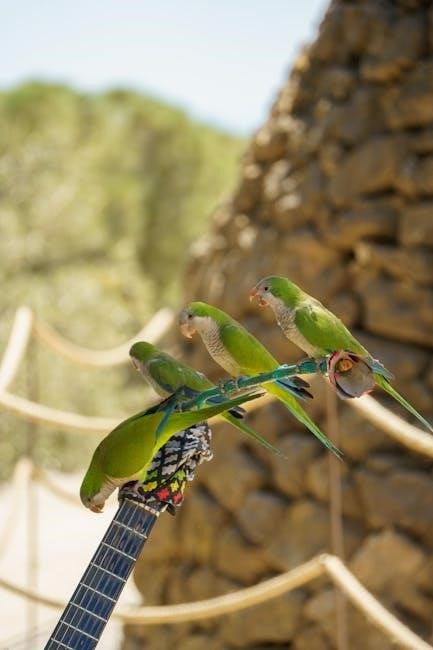
Encourage open communication‚ allowing children to express their fears without judgment․ Frame the film’s scenario as a “what if” situation‚ emphasizing its fictional nature․ Redirecting attention towards real-world knowledge‚ like learning about bird identification through eBird India or citizen science projects‚ can foster a sense of control and understanding‚ diminishing the power of the unknown․
B․ Managing Anxiety Related to the Film’s Themes
“Bird Box Barcelona” explores themes of societal breakdown‚ paranoia‚ and desperation‚ potentially causing anxiety in sensitive viewers․ Parents can mitigate this by emphasizing the resilience and cooperation displayed by some characters‚ highlighting positive coping mechanisms․
Discuss the importance of community and trust‚ contrasting the film’s dystopian setting with real-world support systems․ Engaging in calming activities post-viewing‚ such as birdwatching – participating in the Pongal Bird Count or Campus Bird Count – can provide a grounding experience․ Remind children that the film is a story‚ and their own world is filled with safety and support․
XII․ Alternatives to “Bird Box Barcelona” for Different Age Groups
For younger children (under 13)‚ consider animated adventures like “Paddington” or “Klaus‚” focusing on kindness and community․ These offer positive themes without intense suspense․
Teenagers might enjoy suspenseful but less graphic thrillers like “A Quiet Place‚” prompting discussions about family dynamics under pressure․ Alternatively‚ documentaries about birdlife‚ such as those highlighting citizen science initiatives like the Hyderabad Bird Atlas or eBird India‚ can foster appreciation for nature and conservation․ These options provide engaging content without the potentially disturbing elements of “Bird Box Barcelona․”
XIII․ Resources for Parents on Media Consumption
Common Sense Media (commonsensemedia․org) provides age-based reviews and guidance on movies‚ TV shows‚ and games‚ including detailed content breakdowns․ This resource helps parents make informed decisions․
The American Academy of Pediatrics (aap․org) offers advice on healthy media habits for children and teens‚ emphasizing open communication and setting boundaries․ Additionally‚ exploring online birding communities and forums‚ like those mentioned‚ can indirectly encourage positive screen time focused on learning and appreciation for the natural world․ Remember to discuss the film’s themes with your children and address any anxieties․
XIV․ Common Sense Media Review & Rating
As of today‚ 02/12/2026‚ Common Sense Media rates “Bird Box Barcelona” as suitable for ages 17+ due to intense violence‚ frightening scenes‚ and mature themes․ The review highlights significant suspense and disturbing imagery‚ potentially causing anxiety in younger viewers․
Parents are advised to preview the film before allowing children to watch it․ The platform details specific concerns‚ including depictions of societal breakdown and character deaths․ Considering the film alongside citizen science initiatives like the Pongal Bird Count or Hyderabad Bird Atlas‚ can offer a contrasting‚ positive focus on birdlife and conservation‚ mitigating potential fears․
XV․ Parental Controls & Viewing Restrictions

Given the intense nature of “Bird Box Barcelona‚” robust parental controls are strongly recommended․ Streaming services offer features like age restrictions and profile locking‚ preventing unsupervised access․ Parents should utilize these tools to ensure the film is not viewed by younger or sensitive children․
Consider co-viewing with children old enough to potentially handle the content‚ facilitating discussion about the themes and addressing any anxieties․ Linking the film’s themes to positive initiatives like eBird India or Campus Bird Counts can redirect focus towards bird appreciation and conservation‚ offering a constructive counterbalance to the film’s darker elements․
XVI․ The State of India’s Birds & Relevance (Indirect Connection ― Awareness of Birdlife)
While seemingly disparate‚ “Bird Box Barcelona” can spark conversations about the importance of the natural world‚ specifically birdlife․ The 2023 State of India’s Birds report‚ a citizen science initiative‚ highlights the need for bird conservation․ Discussing this report alongside the film can shift focus from fear to appreciation․
Initiatives like the Pongal Bird Count and Hyderabad Bird Atlas demonstrate active community involvement in bird monitoring․ Encouraging participation in these programs fosters a positive connection with nature‚ counteracting the film’s anxieties and promoting awareness of India’s rich avian biodiversity․
A․ Citizen Science Initiatives & Bird Monitoring Programs
Following “Bird Box Barcelona‚” channel anxieties into positive action by exploring citizen science․ Programs like the State of India’s Birds (SoIB) 2023 rely on public participation for comprehensive data collection․ The Pongal Bird Count‚ a Tamil Nadu initiative‚ offers annual monitoring opportunities․
Campus Bird Counts‚ a GBBC India sub-event‚ engage students in documenting local birdlife‚ with 270 campuses participating in 2025․ The Hyderabad Bird Atlas systematically maps bird species in the city․ These initiatives empower families to contribute to conservation and foster a deeper understanding of avian ecosystems․
B․ The Importance of Bird Conservation
“Bird Box Barcelona”’s unsettling premise can spark conversations about environmental fragility and the interconnectedness of life․ Bird conservation is crucial; declining populations signal broader ecosystem health issues․ Initiatives like Bird Count India aim to make vital data publicly accessible‚ informing conservation efforts․
Supporting organizations dedicated to bird protection is a proactive response to the film’s themes of societal breakdown and loss․ Understanding the role birds play in pollination‚ seed dispersal‚ and pest control highlights their ecological significance․ Engaging with eBird India and similar platforms fosters appreciation and contributes to long-term monitoring․
XVII․ Bird Identification & Community Resources (Indirect Connection ౼ Bird Appreciation)
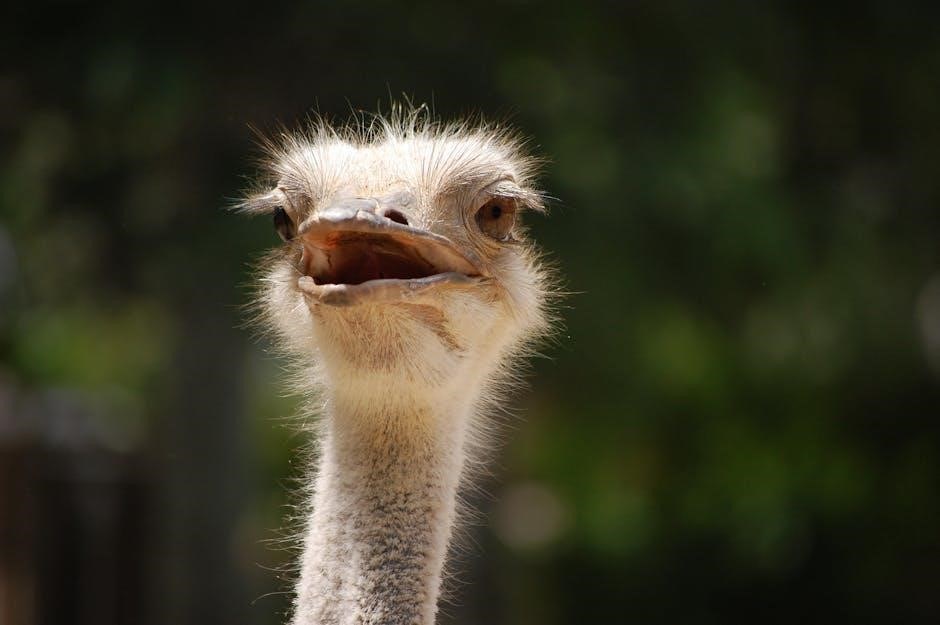
Following the unsettling experience of “Bird Box Barcelona‚” redirecting focus towards positive engagement with birdlife can be therapeutic․ Numerous resources exist to aid in bird identification‚ fostering a sense of wonder and connection with nature․ Online forums‚ like the friendly birdwatching community mentioned‚ offer spaces for sharing observations and seeking advice․
These communities encourage responsible birding practices and provide opportunities to learn from experienced birders․ Resources also include galleries showcasing bird photography and wikis detailing species information․ Participating in local birding groups can transform anxiety into appreciation‚ promoting a healthier perspective after viewing the film’s intense scenes․
XVIII․ Global Birdwatching Communities & Forums
After discussing the anxieties induced by “Bird Box Barcelona‚” channeling that energy into positive engagement with the natural world is beneficial․ Global birdwatching communities and forums provide excellent outlets for learning and connection․ A free and friendly online community exists‚ offering a platform for sharing photographs‚ seeking identification assistance‚ and reading informative articles․
These forums foster a supportive environment for bird enthusiasts of all levels‚ allowing individuals to connect with others who share their passion․ Participating in these communities can help reframe perceptions of birds‚ moving away from the film’s ominous portrayal towards appreciation of their beauty and ecological importance․ It’s a constructive way to process the film’s themes․
XIX․ Campus Bird Counts & Citizen Science Projects
Following exposure to the unsettling premise of “Bird Box Barcelona‚” engaging in positive‚ real-world bird observation can be incredibly therapeutic for children․ Campus Bird Count‚ a sub-event of the Great Backyard Bird Count (GBBC) India‚ offers a fantastic opportunity to participate in citizen science․ In 2025‚ 270 campuses actively participated‚ uploading over 8‚000 checklists – a testament to its growing popularity․
This coordinated effort documents birdlife across campuses nationwide‚ fostering a sense of community and environmental responsibility․ It’s a proactive way to address any anxieties stemming from the film‚ replacing fear with knowledge and appreciation for avian biodiversity․ Participation encourages observation and learning‚ shifting focus from the fictional threat․

XX․ Hyderabad Bird Atlas & Local Bird Documentation
After viewing “Bird Box Barcelona‚” redirecting children’s focus towards positive engagement with local birdlife can be beneficial․ The Hyderabad Bird Atlas (HBA) presents a compelling citizen science project systematically documenting bird species within and around Hyderabad․ This initiative offers a tangible connection to the natural world‚ countering the film’s dystopian themes with real-world observation;
Participating in local bird documentation‚ even simply observing birds in your backyard‚ can foster a sense of wonder and appreciation․ The HBA’s systematic approach provides a structured learning experience‚ promoting scientific curiosity and environmental awareness․ It’s a constructive way to channel any anxieties into positive action and learning․
XXI․ Longest Bird Names & Interesting Bird Facts (Tawny-crowned Pygmy Tyrant)
Following the intense experience of “Bird Box Barcelona‚” shifting focus to fascinating bird facts can offer a calming distraction for children․ Did you know the Tawny-crowned Pygmy Tyrant boasts one of the longest bird names? This tiny bird‚ despite its formidable moniker‚ represents the incredible diversity of avian life․
Discussing such facts can spark curiosity and wonder‚ providing a positive counterpoint to the film’s suspenseful atmosphere․ Learning about unique bird adaptations and behaviors can be a fun and educational activity‚ helping to alleviate any lingering anxieties․ It’s a gentle way to re-engage with the natural world․
XXII․ Pongal Bird Count & Annual Bird Monitoring
After viewing “Bird Box Barcelona‚” redirecting attention towards positive engagement with birdlife can be beneficial for children․ The Pongal Bird Count (PBC)‚ a Tamil Birders Network initiative‚ offers a fantastic annual opportunity for observation․ Participating in such events fosters appreciation for local ecosystems and promotes citizen science․
This annual monitoring program encourages families to observe and document birds‚ creating a shared experience that contrasts with the film’s isolating premise․ It’s a proactive way to channel anxieties into a constructive activity‚ emphasizing the beauty and resilience of nature․ Learning about bird populations is empowering․
XXIII․ eBird India & Online Birding Challenges
Following the intense experience of “Bird Box Barcelona‚” engaging with platforms like eBird India can offer a calming and educational outlet for children․ February’s eBird India challenges‚ coinciding with the Great Backyard Bird Count‚ provide structured opportunities for bird observation and data contribution․ These challenges transform potential anxiety into focused activity‚ promoting scientific literacy and environmental awareness․
eBird’s online community fosters connection and learning‚ contrasting the film’s themes of isolation and paranoia․ Participating in these challenges encourages children to actively explore their surroundings and appreciate the diversity of birdlife‚ offering a positive counterbalance to the film’s darker elements․
XXIV․ Conclusion: Making an Informed Decision About Viewing
“Bird Box Barcelona” presents significant content concerns for parents‚ demanding careful consideration before allowing children to view it․ Weigh the film’s intense scenes‚ psychological thriller elements‚ and disturbing imagery against your child’s maturity level and emotional resilience․ Utilize resources like Common Sense Media and engage in open discussions post-viewing to address any anxieties or fears․
Remember‚ alternative‚ age-appropriate content exists․ Leveraging platforms like eBird India and participating in citizen science initiatives can redirect focus towards positive engagement with nature‚ mitigating potential negative impacts․ Ultimately‚ an informed decision prioritizes your child’s well-being․